







A 22-year-old female with no significant past medical history presents to the emergency department with wheezing after a recent upper respiratory infection. The patient is treated with a continuous 15
Although lymphatic malformations are rare and usually do not manifest as acute abdomen, they should always be considered in the differential diagnosis in a previously healthy child who presents with a
Physician reimbursement has been one of the most volatile areas of advocacy this year. Graduating EM residents need to know the basics in order to navigate contracts and practice effectively.
Experience is often touted to be the best teacher. But sometimes, we — as residents in the midst of our training and in the early stages of our careers — can choose to be the best teacher.
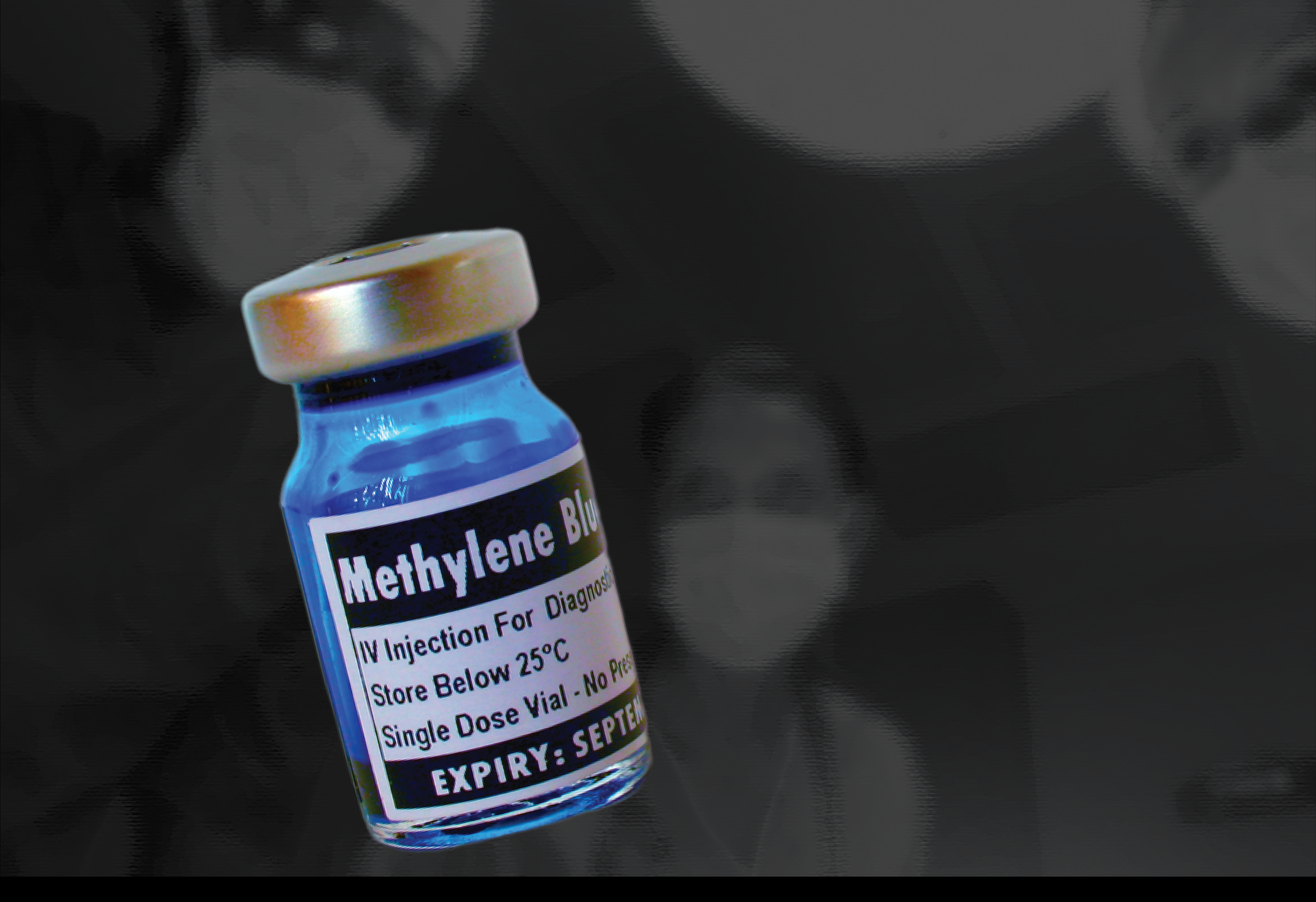
Can methylene blue play a role in treating your patient with septic shock? This randomized control trial shows earlier vasopressor discontinuation and shorter ICU and hospital lengths of stay - but no
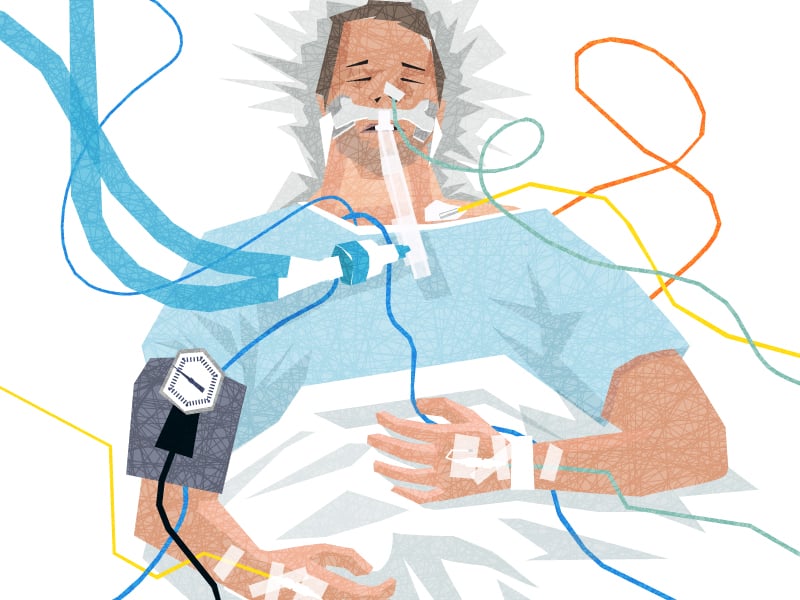
Emergent intubation requires critical thinking and precision. The same level of care should be extended to managing post-intubation sedation. This summary explores the most commonly used analgesics an
While it didn’t improve survival to hospital discharge or neurologic recovery vs the current standard of care, the sudden death CT (SDCT) protocol significantly improved the time and diagnostic abilit
In a recent study, fludrocortisone added to hydrocortisone was associated with increased hospital survival, shorter hospital lengths of stay, and decreased vasopressor duration when compared to hydroc
Heated high-flow nasal cannula (HFNC) is capable of delivering 100% humidified and heated oxygen at higher flow rates, providing important support for patients with respiratory distress. Learn more ab
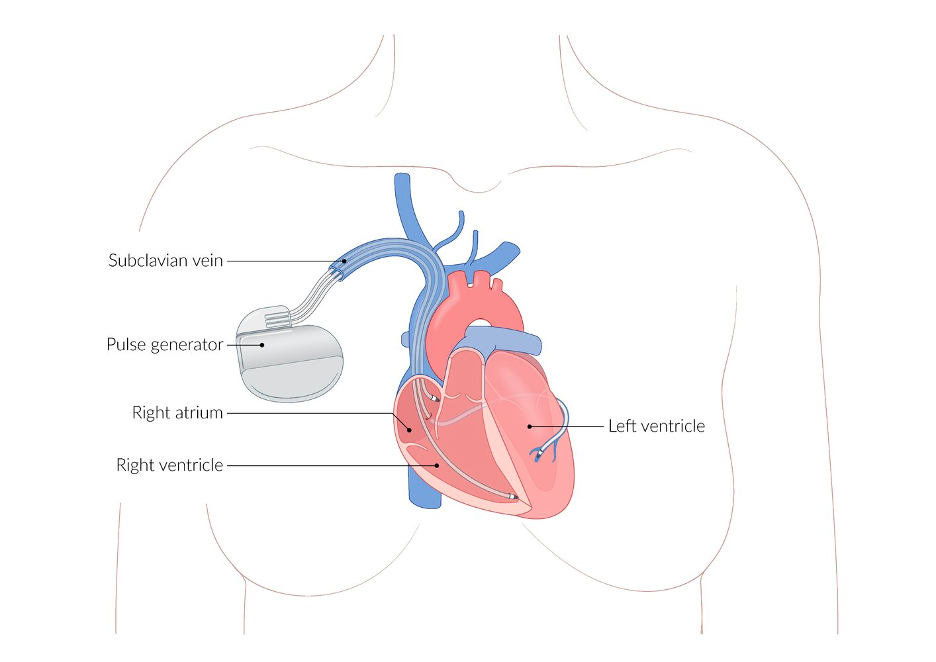
Given the prevalence of cardiac implantable electronic devices in the United States, it is important for emergency physicians to understand the basic operation and be able to recognize and address com