
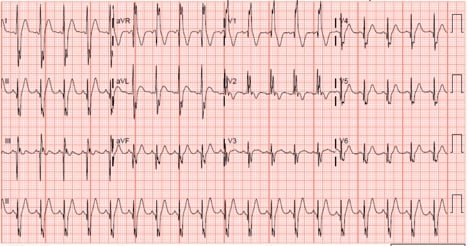



Hypertrophic obstructive cardiomyopathy is the leading cause of non-traumatic sudden death in young individuals and most well-known for causing sudden cardiac death in athletes. While most known for b
NSAIDs are the most commonly used class of drugs in the world. They possess analgesic, antipyretic, and anti-inflammatory properties. Its GI side effects are most apparent and well-documented and can
While Methicillin-resistant Staphylococcus aureus (MRSA) is a well-known and feared cause of septic arthritis, P. aeruginosa needs to be considered by the emergency physician when caring for an IV dru
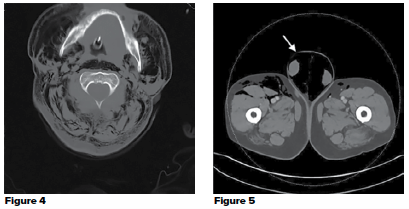
Caustic ingestions cause either coagulative (acidic substance) or liquefactive (alkaline substance) necrosis. Management and treatment include observation, labs, imaging, endoscopy, and may require mo
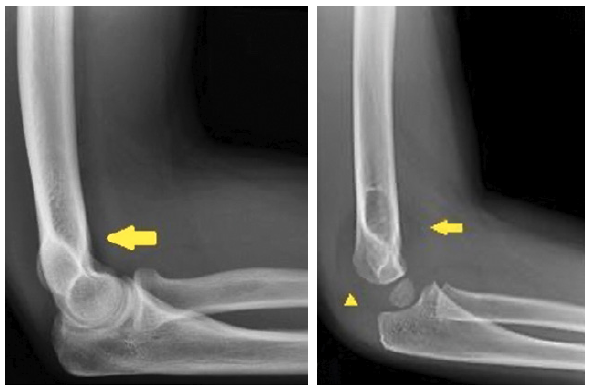
Here it is: the dreaded pediatric elbow. Is it a fracture? An ossification center? Shouldn't there be a bone there? By using a systematic approach to reading elbow x-rays, you can begin to feel more c
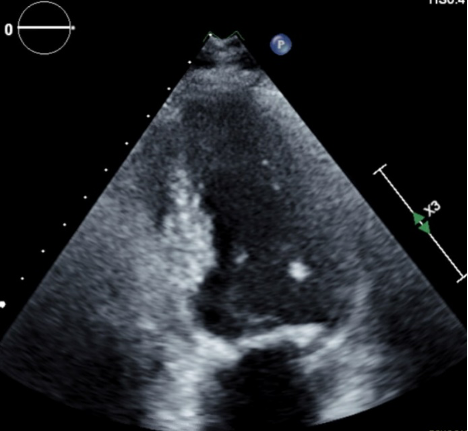
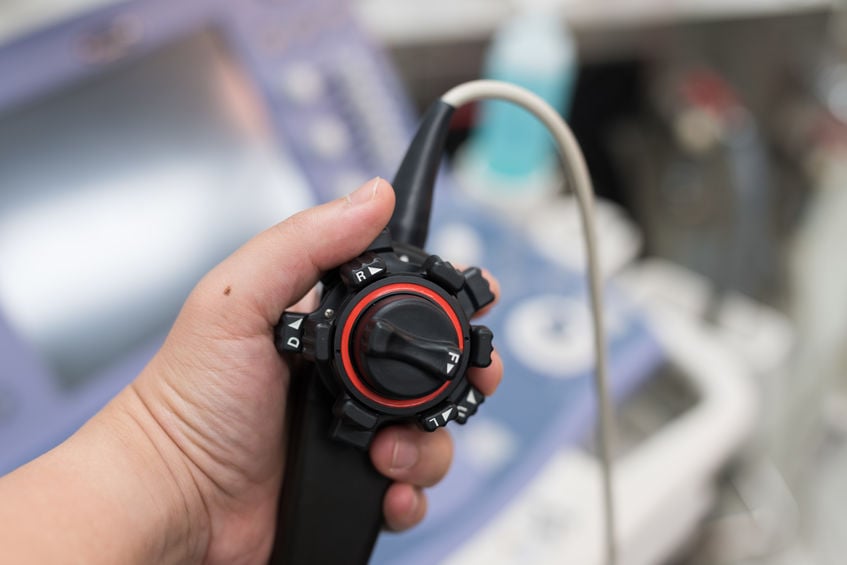
Cardiac arrest is one of the most demanding presentations for emergency physicians to manage. Focused transesophageal echocardiography (TEE) has emerged as a valuable aid.