



Browsing: Clinical

48-2 PPE Redistribution.png
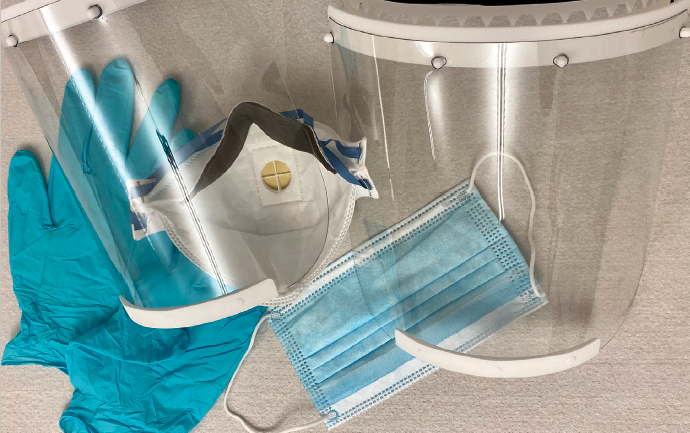
When COVID-19 disrupted their medical training, medical students around the nation sought ways to help, from forming childcare networks to organizing drives for personal protective equipment. This art
48-2 Letter from Paramedic.png
Whether waiting to unload a patient at the hospital or sitting in the ambulance after clearing a call, EMTs and paramedics (and increasingly social workers, nurses, nurse practitioners, and physician
48-2 Military Match.png
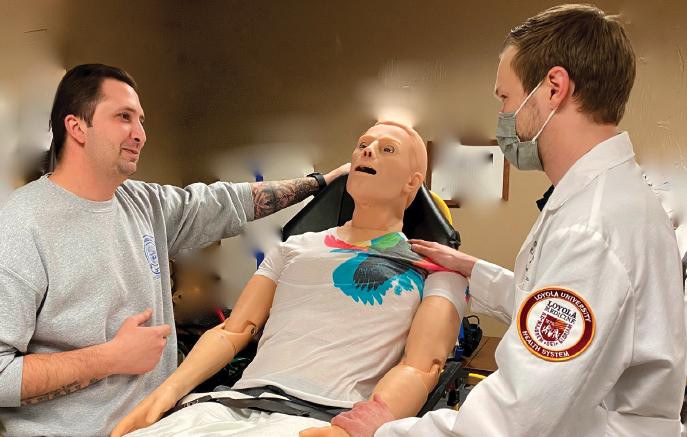
In a typical year, medical students commissioned in the United States Army, applying to match in emergency medicine, prepare to visit and interview at four programs spread across the country. This was
cca-ECMO.jpg
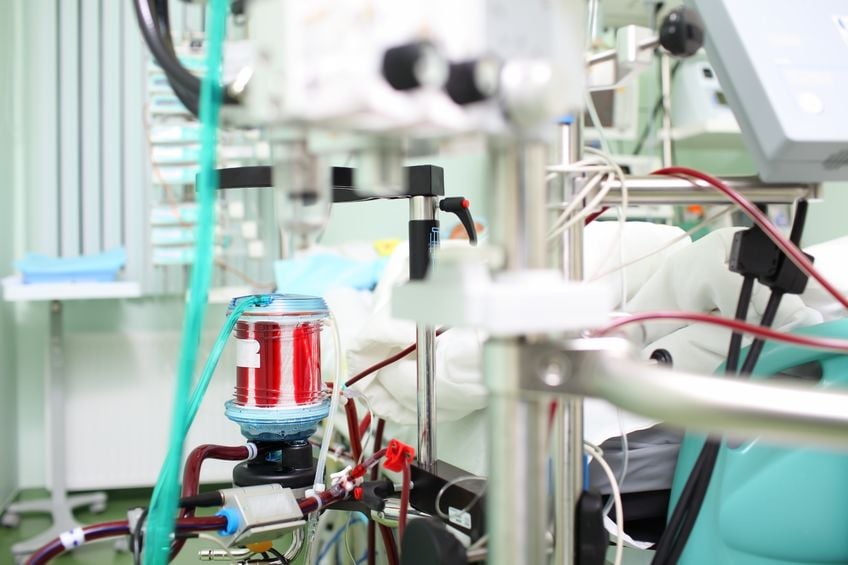
This Critical Care Alert examines a study of VA-ECMO on survival and predictors of mortality in patients who suffered massive pulmonary embolism-related cardiac arrest.
ECGChal-New.jpg
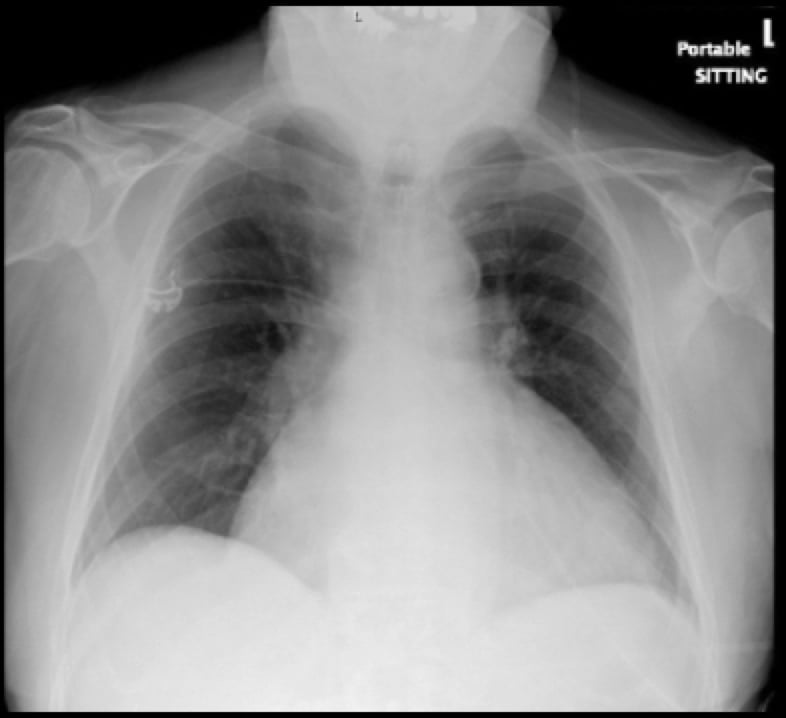
A 71-year-old female with history of aortic stenosis s/p transcatheter aortic valve replacement (TAVR) 3 days ago presents to the emergency department because of a syncopal episode earlier in the morn
48-2 Global EM GEMSLP.png
The Global Emergency Medicine Student Leadership Program (GEMS LP), formerly known as the International Ambassador Mentorship Program (AMP), was established in 2018 as a joint effort of EMRA and the A
48-2 Hemopericardium - cxr-supine-ap Fig 1.jpg
Direct oral anticoagulants (DOACs) have become the preferred anticoagulant medication for patients with nonvalvular atrial fibrillation, deep vein thrombosis, and pulmonary embolism. However, recent c
48-2 Trigeminocardiac Reflex.png
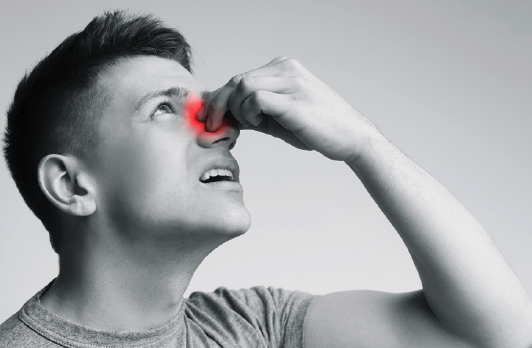
Epistaxis is a complaint that is frequently seen in the emergency department. As a physician, we took an oath to do no harm, but what if we end up doing more harm than good when managing epistaxis?
48-2 Appendagitis.jpg
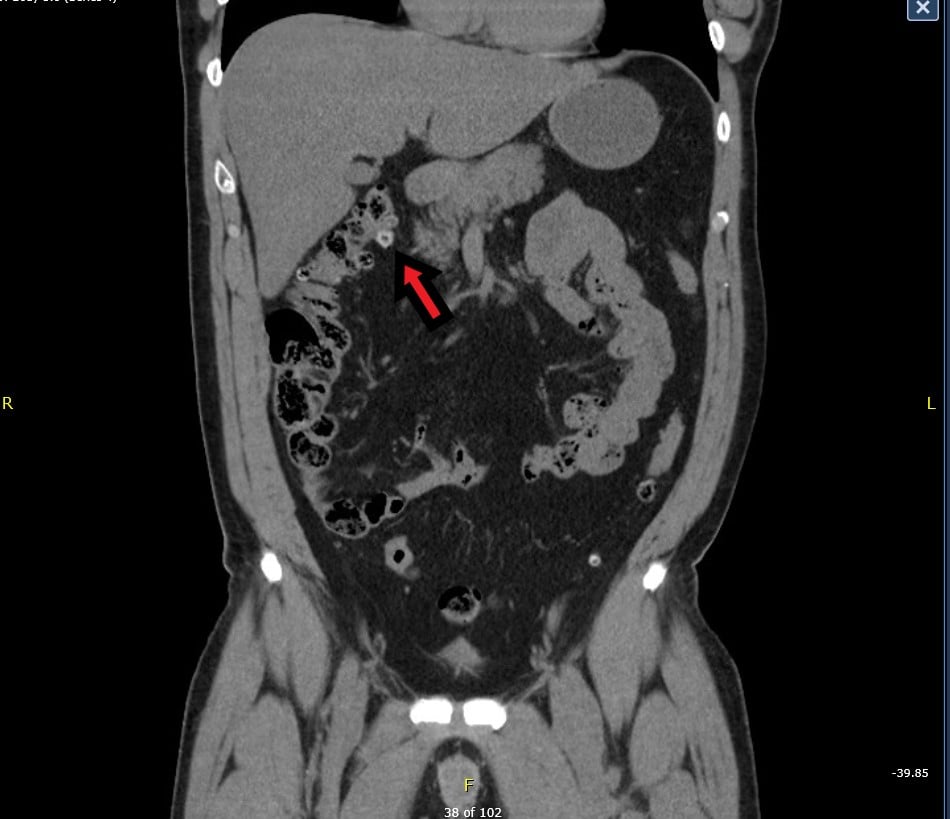
More than 7% of patients presenting to the ED with symptoms clinically consistent with sigmoid diverticulitis are found to have primary epiploic appendagitis.
48-2 Ped Gonococcal Hip Fig 1.png
Point-of-care ultrasound-guided arthrocentesis performed in the emergency department can expedite the diagnosis and treatment of septic arthritis, potentially averting the need for surgery.