Managing critically ill patients with cardiogenic shock often includes a decision between two inotropes: dobutamine and milrinone. Is there evidence to inform that choice?
Early fluid resuscitation has been proven to be a fundamental component in improving survival for patients with severe sepsis or septic shock. But what happens when a patient has cirrhosis?
Evidence surrounding the benefits of post-arrest hypothermia has been conflicting, but it continues to be the standard of care per international guidelines. The TTM2 Trial adds to the data.
As the coronavirus continues to mutate, researchers are examining every treatment option. This study looks at the efficacy of convalescent plasma for patients admitted to the hospital with COVID-19.
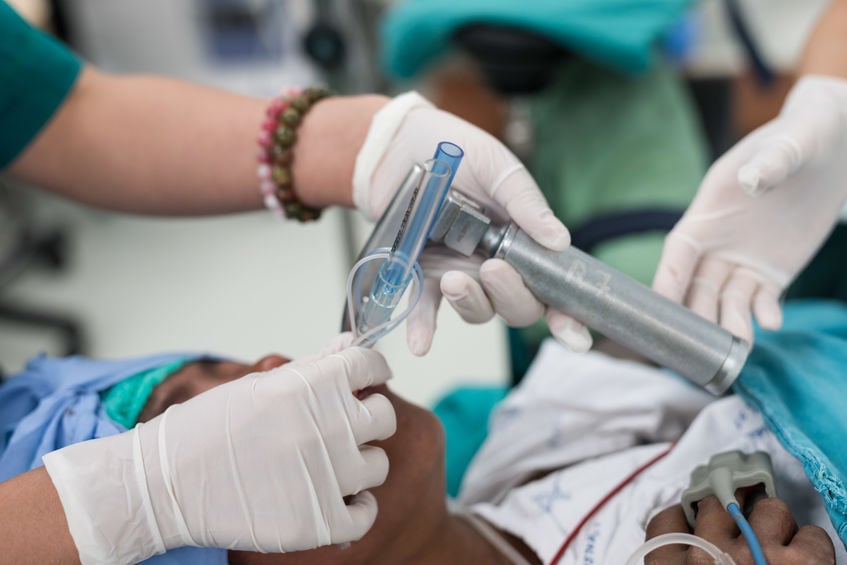
ED intubations are typically carried out using rapid sequence intubation (RSI), utilizing both a sedative agent and neuromuscular blocking agent. What are the indications and complications of opting f
Symptomatic hyponatremia is a commonly encountered electrolyte abnormality in the emergency department. Treatment generally consists of 3% hypertonic saline therapy. But is a rapid intermittent bolus
A nationwide registry has shown targeted temperature management at a lower core temperature led to significantly better neurologic outcomes and survival at 30 days in patients with moderately severe p