







A 68-year-old female with a past medical history of hypertension presents to the emergency department via private vehicle for recurrent intermittent episodes of unresponsiveness that started just prio
Residents with certification in addiction medicine gain access to a number of benefits, including greater earning potential and federal loan repayment funds. Plus, the depth of knowledge that certific
It is typical for a patient to have side effects after a medical abortion. Differentiating expected versus significant adverse events is crucial to providing proper treatment. Patient education prior
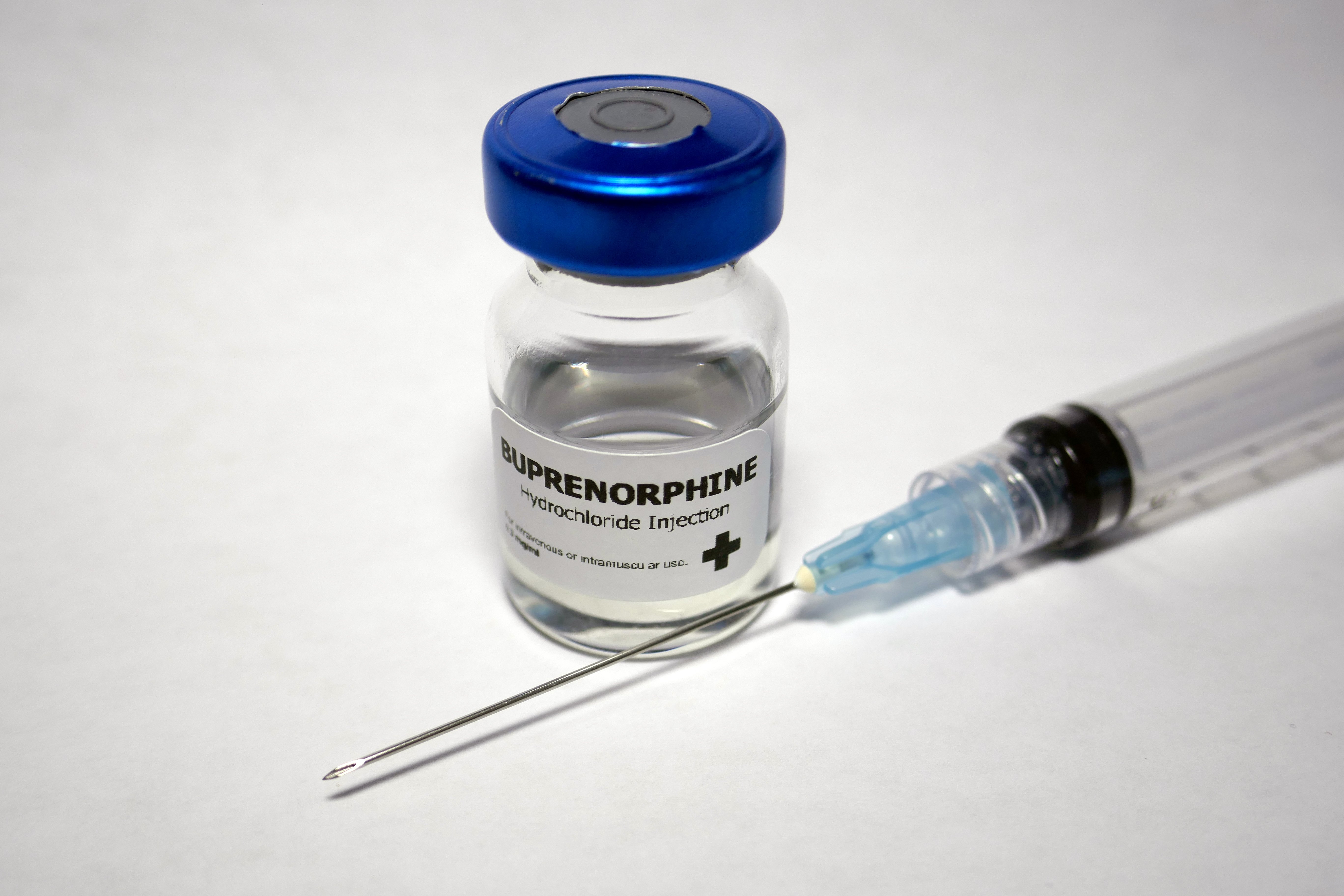
Buprenorphine has been shown to be a safe and effective medication in multiple settings with extensive research on both unobserved induction and physician-observed induction. Emerging evidence suggest
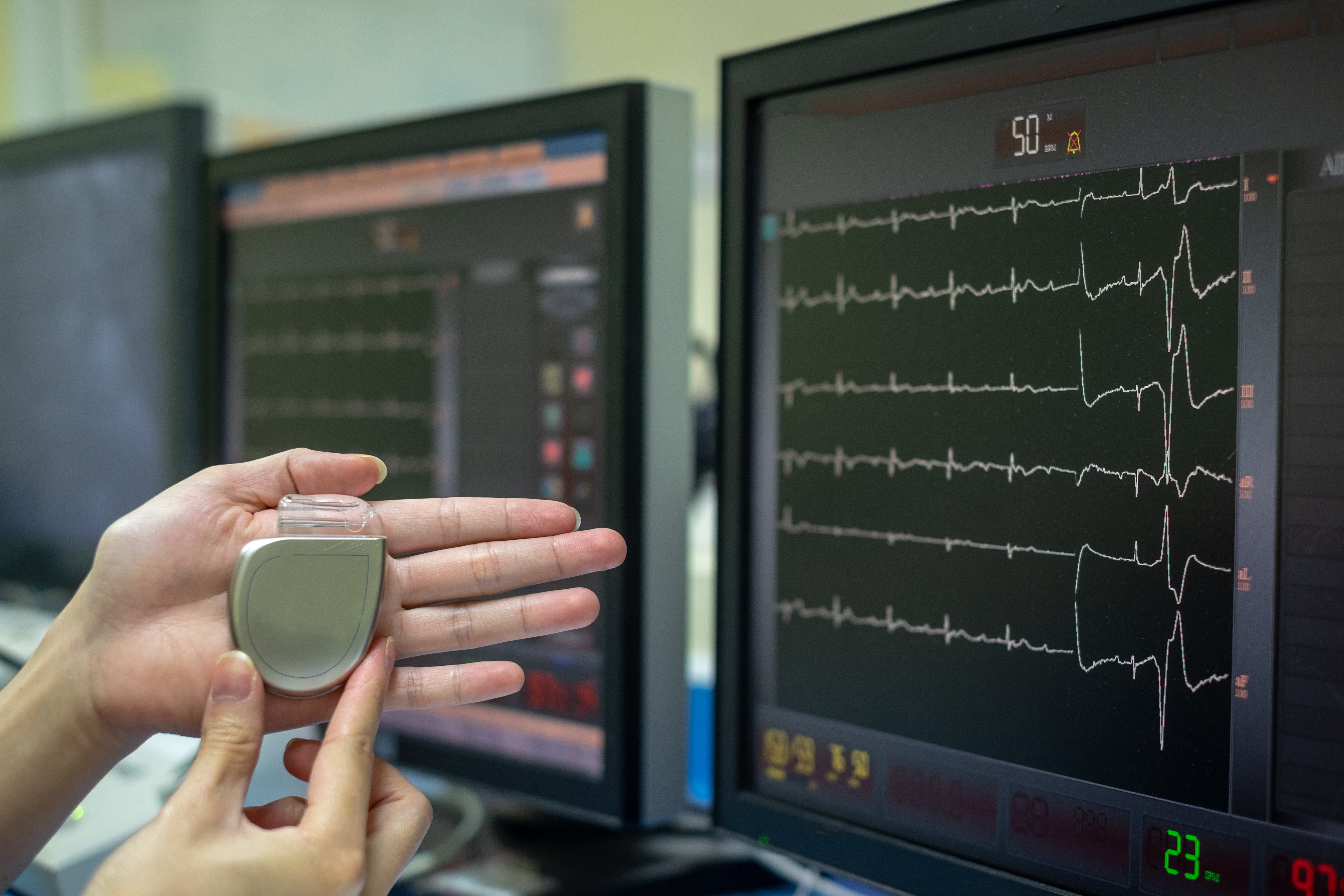
More studies are needed to create sensitive and specific criteria for coronary-related ischemia in patients with biventricular pacemakers, but high clinical suspicion, changes in EKG, and early recogn
In the setting of a malignant pericardial effusion with tamponade and pulmonary embolism, medical management can be difficult due the need for heparinization as well as pericardiocentesis. In a peri-s
The effects of COVID-19 on the health care system continue to evolve. While patients stayed away during lockdown, they are now flooding emergency departments with more acute illnesses due to lack of p
In this month’s addition to the Program Director Interview Series, we bring you Arlene Chung MD, MACM. Dr. Chung is the PD at Maimonides Medical Center in Brooklyn, NY - and she wants you to get to kn
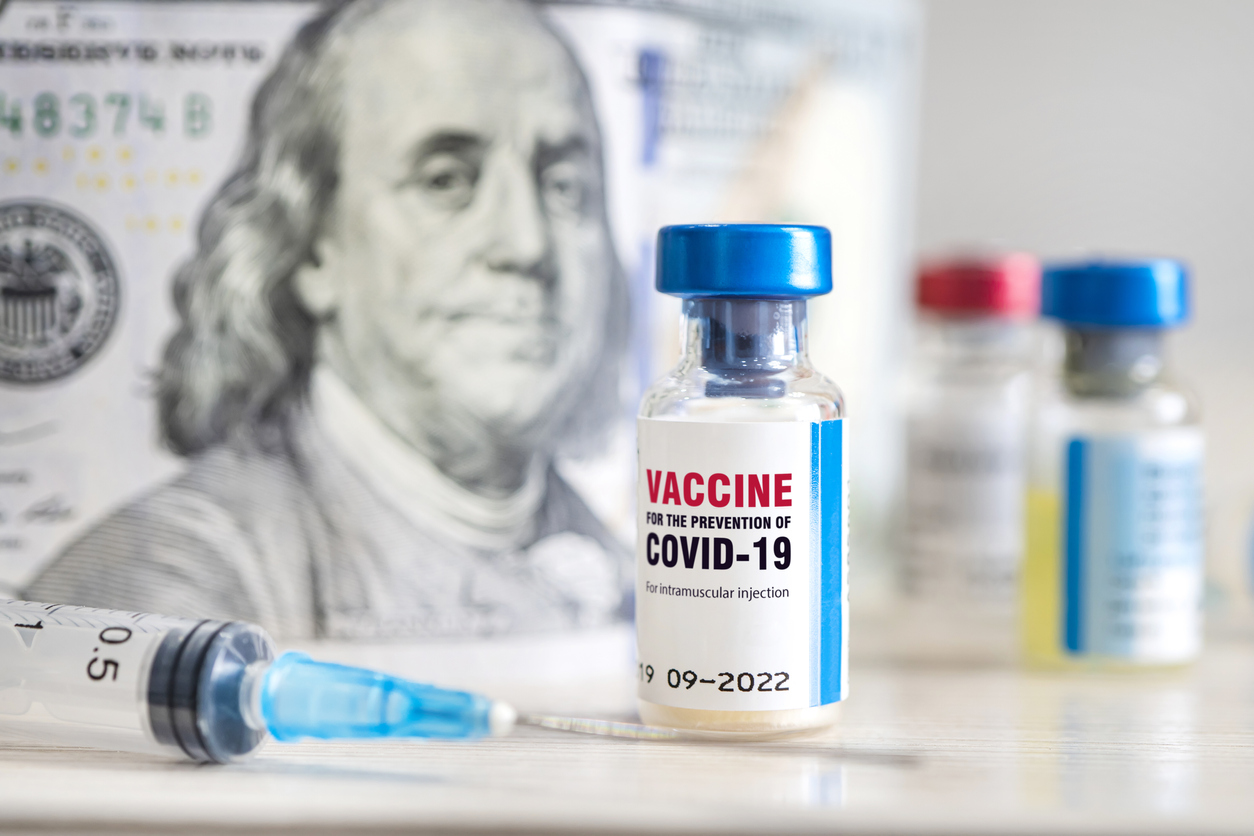
COVID-19 vaccine campaigns saved lives and reduced the number and severity of COVID cases in the United States. What did this mean to the business of health care? Significant cost savings.
Critical Care Alert: The PREPARE II trial investigated whether a fluid bolus would impact cardiovascular collapse in critically ill patients undergoing intubation.