




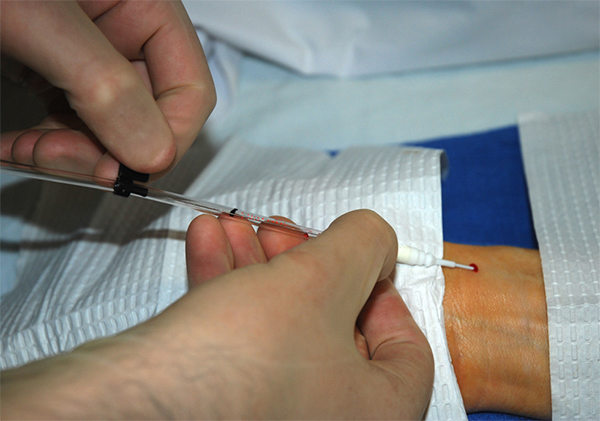




Acute limb ischemia — a thromboembolic condition that occurs when arterial supply to the affected extremity becomes critically compromised — is a devastating condition if not expediently recognized an
Just as there are two sides to every coin, some medical literature supports taking patients’ orthostatic vitals when they present to the ED with syncope, lightheadedness, and vertigo; other literature
Studies are showing that Medicaid expansion - and its resulting increased access to primary care - could help alleviate emergency department crowding and ensure the department is able to focus on pati
The EMRA Critical Care Committee presents an arterial line primer as part of its Critical Care Devices series. Follow this series for insight and troubleshooting guidance for devices and procedures th
Critical Care Alert: Femoral artery Doppler ultrasound is more accurate than manual palpation for pulse detection in cardiac arrest. Although it was a small study, it sheds light on resuscitation mana
Our retrospective secondary analysis of data from the Pragmatic Airway Resuscitation Trial (PART), examining the timing of airway management in out-of-hospital cardiac arrest, found that: (1) there wa
A recent study aimed to develop and validate a modified Goto’s termination-of-resuscitation rule. The results can inform emergency department management of patients who suffered out-of-hospital cardia
A 36-year-old female with a PMH of alcohol use disorder and type 1 DM presents with substernal chest tightness, nausea, vomiting, and diaphoresis. What is your interpretation of her ECG?
Knee dislocations are a true orthopedic emergency and require immediate imaging and reduction. Even with non-operative management, a return to full activity takes months of physical therapy and rehabi