




The emergency department can be filled with frustration at times. During the first wave of COVID-19 illnesses, that frustration reached a boiling point.
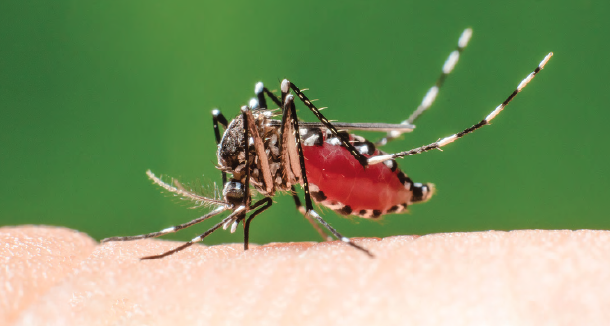
Malaria is a potentially life-threatening disease caused by the Plasmodium parasite. Symptoms usually present 1–4 weeks after infection but can present months to years later depending on the species.
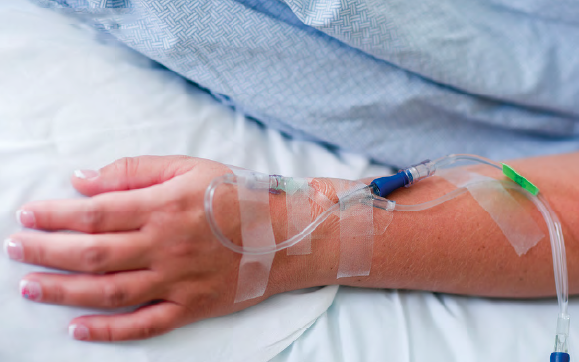
Placement of an ultrasound-guided peripheral intravenous line (USPIV) is a common and relatively safe procedure. Don't fall into bad habits that lead to unsuccessful placement. Review the most common
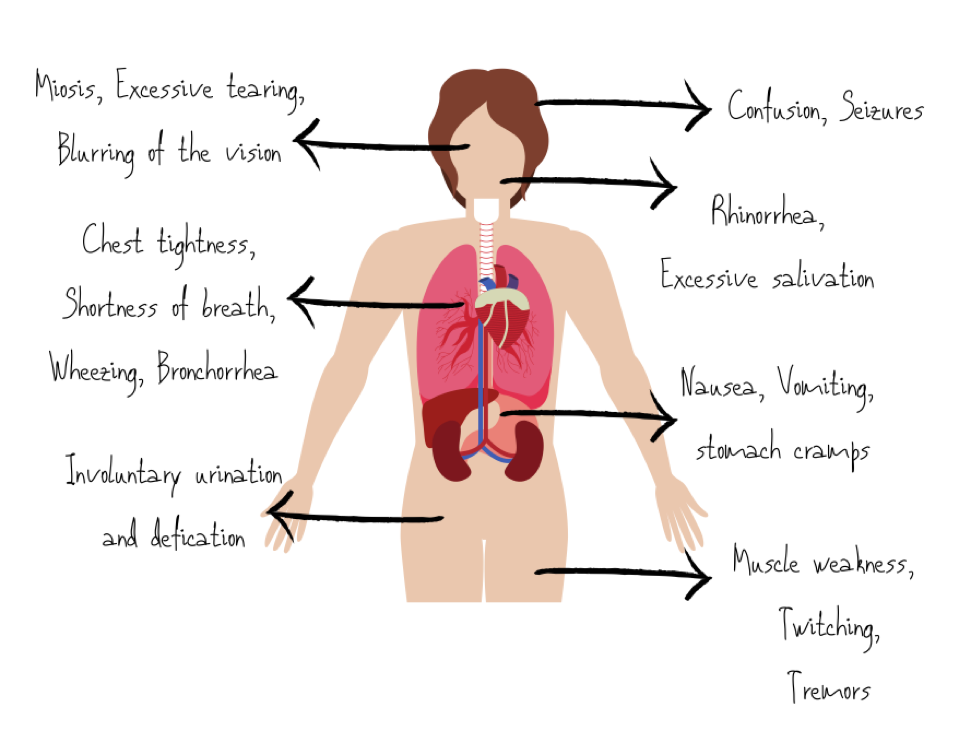
Nerve agents are one of the most terrifying weapons of war. With many direct pathophysiologic effects, the psychological terror they instill is often the intent of their use. Emergency medicine provid
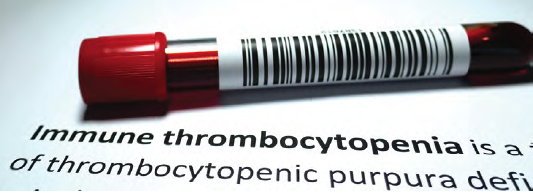
Immune thrombocytopenia (ITP) can often be first diagnosed and recognized in an ED setting, both as a primary and incidental finding. Let's review a typical presentation and the unique pathology and s
Perhaps the steepest learning curve during intern year presented itself as the mission to maintain wellness and find a balance that would allow me to keep showing up - for my patients, my co-residents
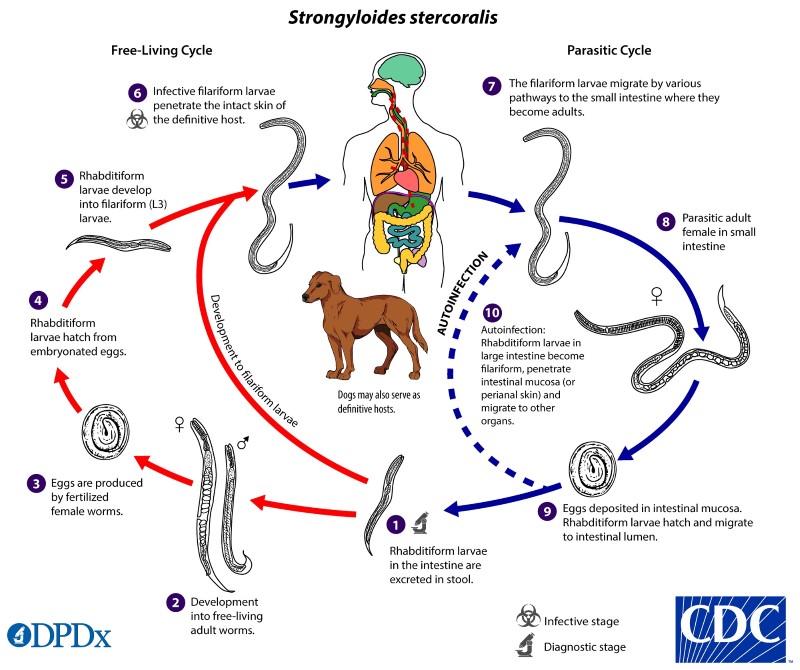
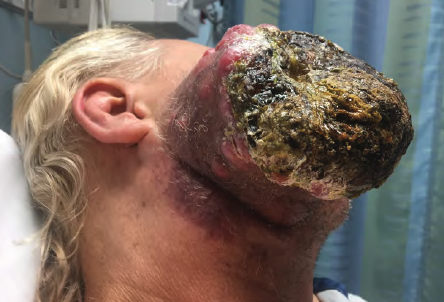
Strongyloidiasis is an infection of the parasitic nematode, Strongyloides stercoralis. This condition is well-known in global health as a concern among immigrants and refugees, but it is also present
Challenges with health care literacy, lack of insurance, and simple human fear can sometimes lead patients to delay seeking help - or even deny a problem exists. Tread lightly to offer the best care i
The ACGME Review Committee for Emergency Medicine has been hard at work on behalf of the specialty. Get updates from the resident representative on the committee.