




Browsing: Clinical

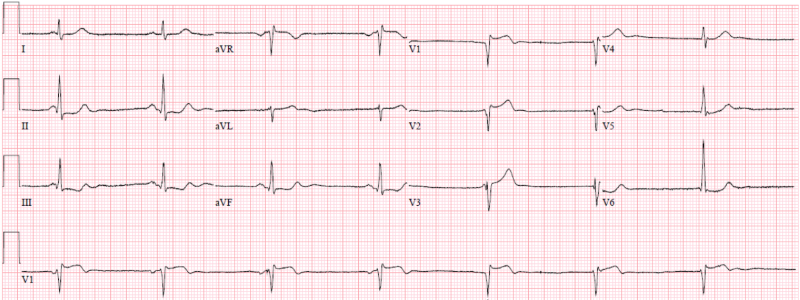
48-4 LAD Lesion - ECG 3.png
Approximately 25% of patients with NSTEMI have an acute coronary occlusion; the STEMI/NSTEMI paradigm can be misleading. Serial ECGs are invaluable in making the diagnosis of acute coronary syndrome,
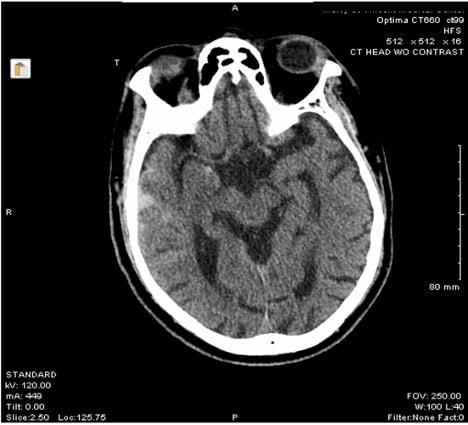
48-4 Unusual Tachycardia Image 1.jpeg
Nonconvulsive status epilepticus has traditionally been thought of as a rare condition. There is little data regarding its true incidence, but evidence suggests it is far more common than once believe
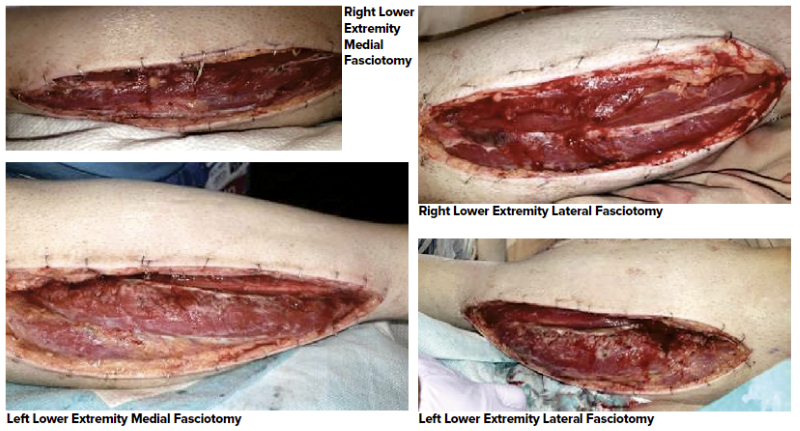
48-4 Compartment Syndrome Figures 1-4.png
Although substance-induced rhabdomyolysis has been widely reported, the progression to compartment syndrome is not frequently encountered and usually of multifactorial etiology. Rapid recognition of t
48-4 Telehealth Panel.png
A decade ago, telehealth seemed like a complicated, inefficient way to deliver care. With advancements in technology and the COVID-19 pandemic, telehealth has grown into a vital tool for emergency med
48-4 Patient Rights.jpg
In the setting of emergency care and a criminal investigation, time motivates both the healthcare team and law enforcement officers, which can result in conflicts of interest when it comes to access t
48-4 Euglycemic DKA.jpg
SGLT-2 inhibits can cause massive osmotic diuresis and intravascular volume depletion. The body’s appropriate response to this is production of antidiuretic hormone, an excess of which is capable of c
48-4 Stop the Bleed.jpg
Hemorrhage control programs such as Stop The Bleed remain a versatile option for responders of all backgrounds.
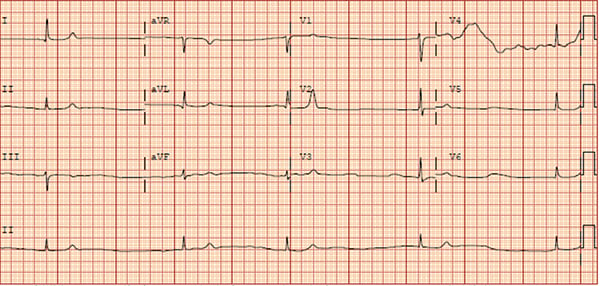
48-4 BRASH Fig 1.jpg
BRASH syndrome is an uncommon but often fatal condition in which an acute renal injury initiates a vicious cycle of bradycardia, hyperkalemia, hypotension and worsening renal failure in patients who t
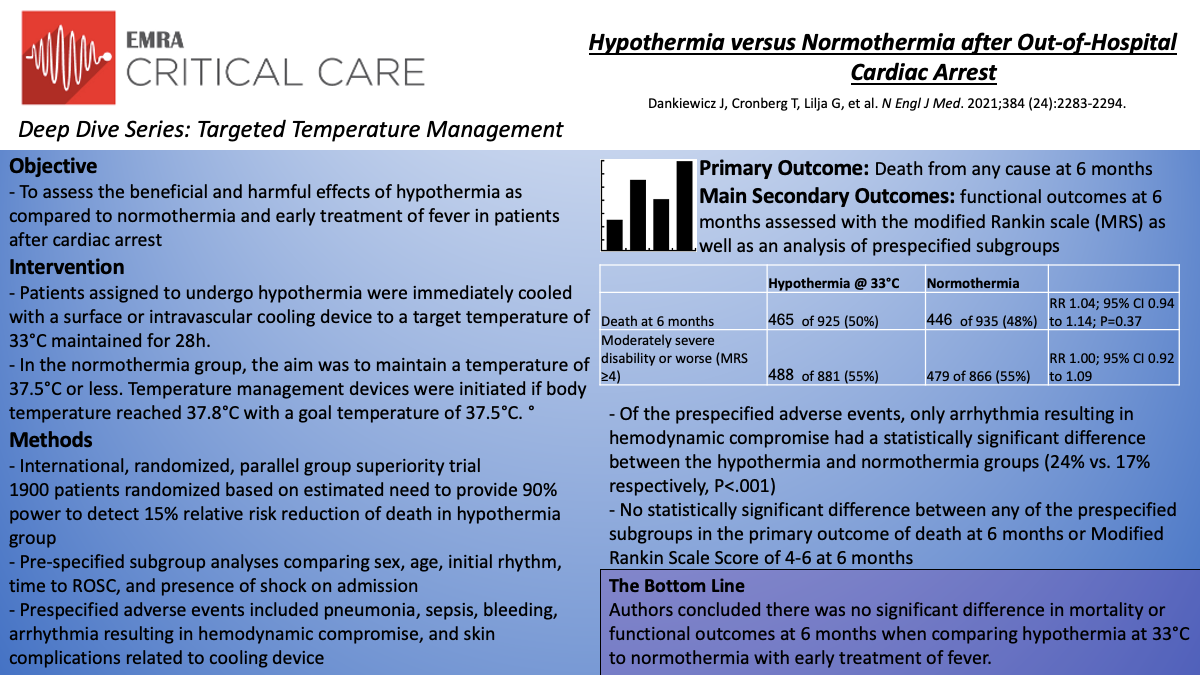
TTM - Lee 2.png
This EMRA Critical Care Committee Deep Dive will review the current available literature on targeted temperature management for cardiac arrest.
48-4 Bilateral Adrenal Hemorrhage.jpeg
Multiple endocrine neoplasia (MEN) syndromes are rare, inherited disorders, and adrenal hemorrhage is a rare cause of abdominal pain. We present a case of bilateral adrenal hemorrhages due to pheochro