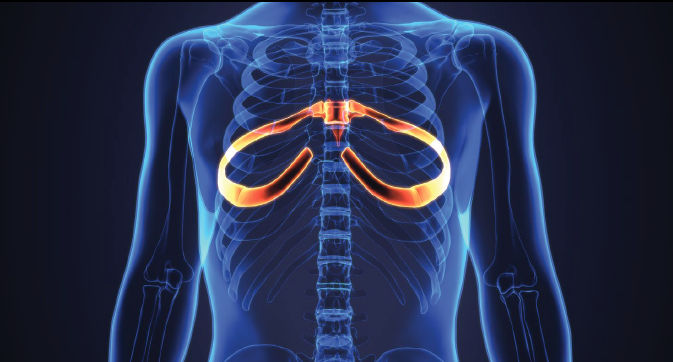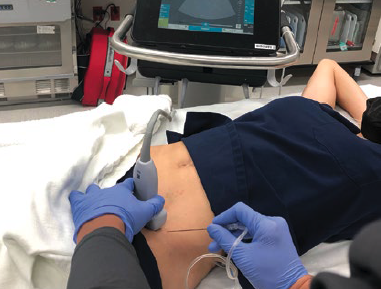
Elderly patients with chest wall injuries have a mortality rate up to 13% - attributed in part to the effects of pain. EAST guidelines offer a range of analgesic options, but ultrasound-guided serratu
Hip fractures are common injuries evaluated in the ED. The majority of patients who suffer a hip fracture are over 80 years old, and as the population ages, the incidence of hip fractures is expected
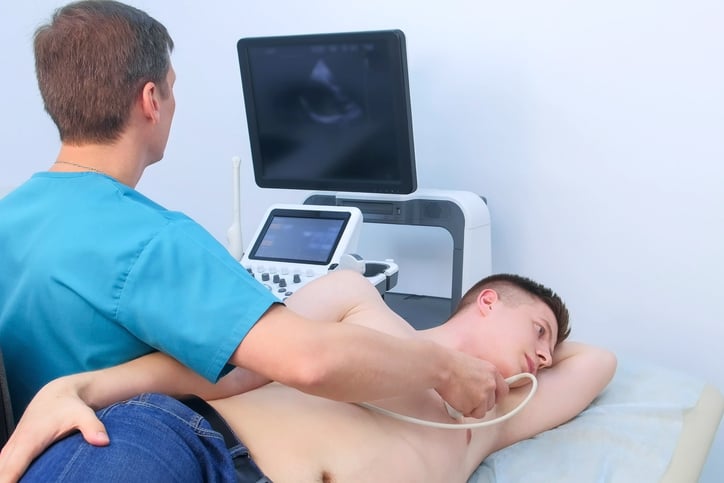
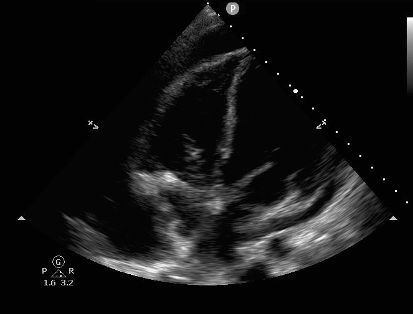
Left ventricular free wall rupture (LVFWR) is a rare and usually fatal complication of myocardial infarction (MI). Fortunately, echocardiography is very sensitive and specific - and emergency physicia
Cardiac tamponade is a critical emergency department diagnosis, but it can be a difficult diagnosis to make based on physical exam alone. Clinical signs of tamponade are often late findings and can be
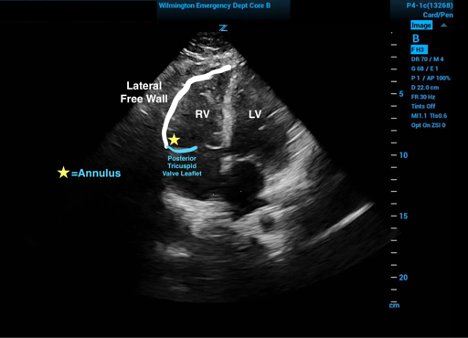
Tricuspid annular plane systolic excursion (TAPSE) can provide a point of care ultrasound assessment of right ventricular function. Although there are many emerging applications for this measurement,
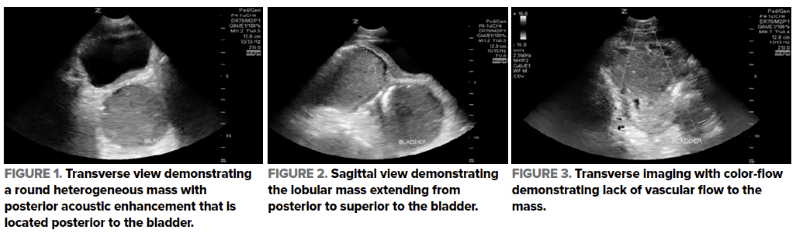
Periappendiceal abscesses are a rare complication of pediatric appendicitis. In this case presentation, the little-seen consequence was identified by point-of-care ultrasound.
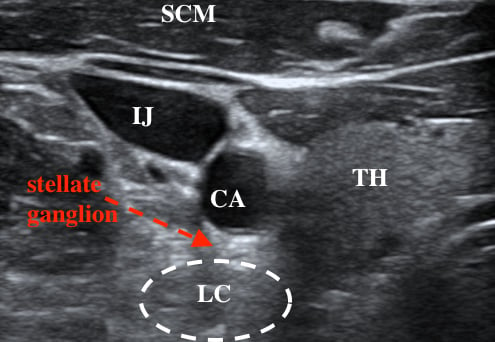
The ultrasound-guided stellate ganglion block may be used as an adjunct to established methods during pulseless ventricular arrhythmias. It is a potentially lifesaving procedure that is within the eme
Point-of-care ultrasound can be used to detect Meckel’s diverticulum as the underlying etiology of lower abdominal pain in pediatric patients. In the following case, bedside family-centered teaching a
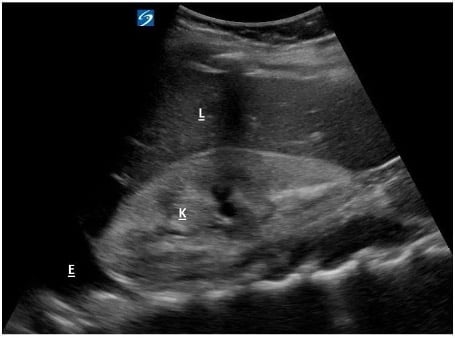
Point-of-care ultrasound techniques can help improve diagnosis and care in a range of conditions. This POCUS For the Win report explains Focal Segmental Glomerulosclerosis.
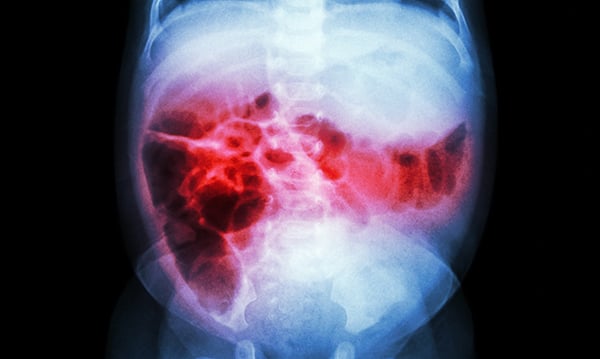
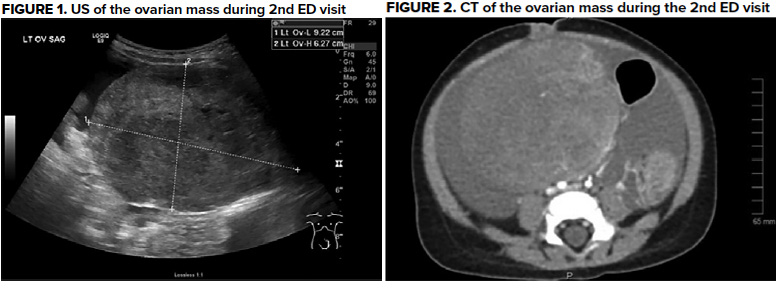
How important is appropriate imaging in the ED? One father - who's also an emergency physician - shares a firsthand account of repeated trips to the pediatric emergency room before imaging helped corr