





Browsing: June 2018

45-3_EMpower-JoLinder.jpg
When Jo Linder, MD, FACEP, was elected to the EMRA Board in 1982, her first order of business – as the resident voice for education – was to help study the length of residency training. There were 16
45-3_Paper Hack 101.jpg
"Wanna write that up?" Not many phrases in emergency medicine can induce as much anxiety as these four innocuous words. These 10 steps can help you overcome that anxiety and get published.
45-3_Rescue Task Force.jpg
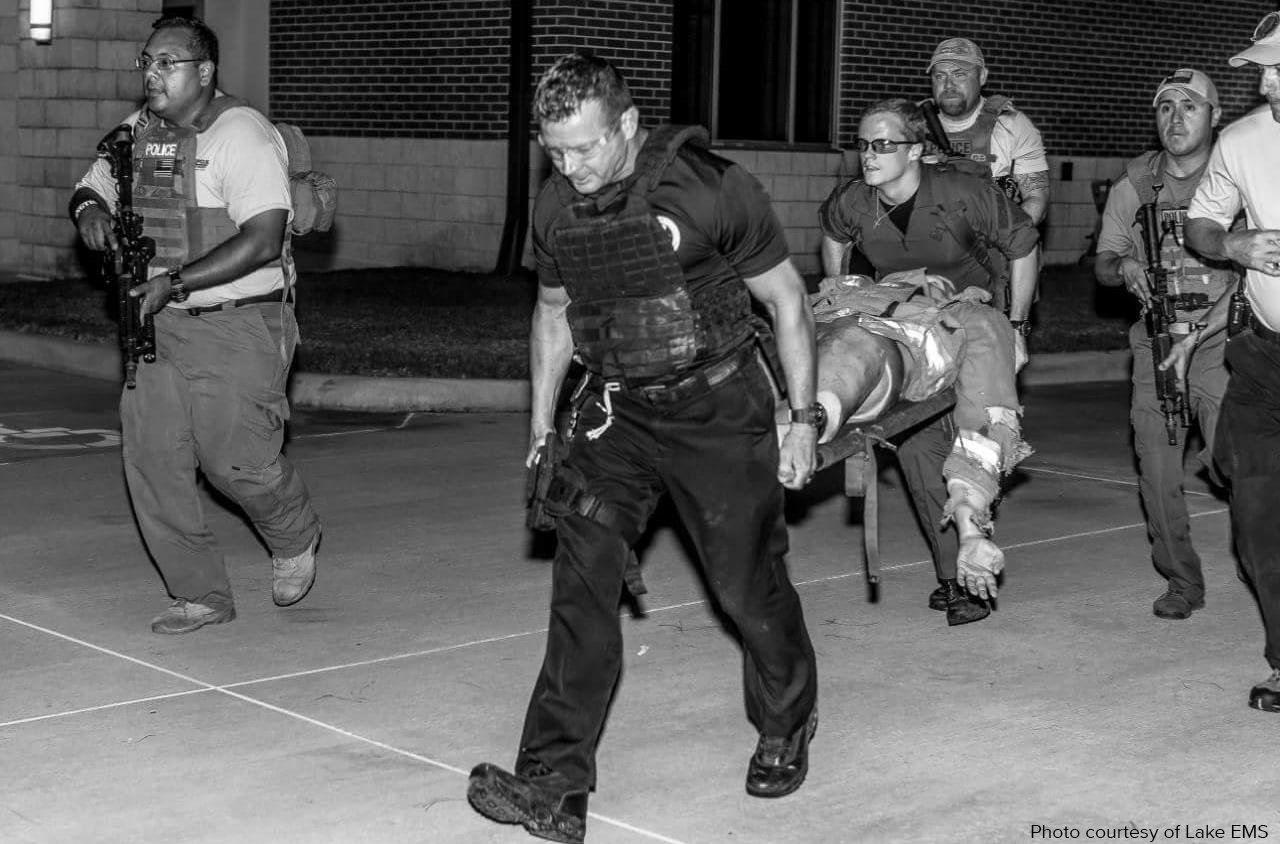
The Rescue Task Force model of care represents an emerging standard of operations in response to high-threat mass casualty incidents. Distinct from the TEMS model, RTF care incorporates "street-level"
45-3_Clerkships.jpg
Few times in a medical student’s life are more exciting than the start of third year. Coursework is complete, Step 1 is in the rearview mirror, and clinical rotations are starting. It’s an entirely ne
MSC-after the match part III.jpg
Preparing for the Match can be all-consuming. But what happens afterward? This 3-part series will explore a few key topics. We addressed housing and finances, and now we tackle professional life.
MSC-cord.jpg
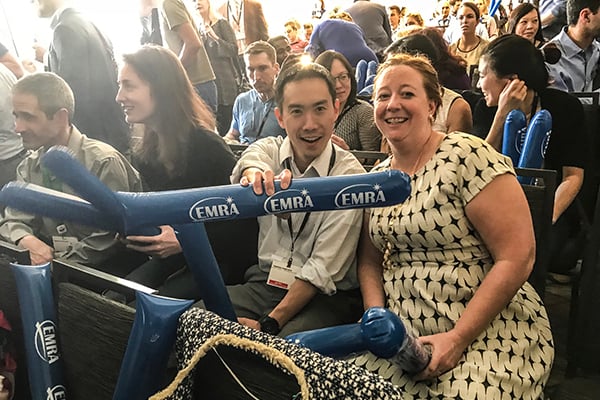
This year marked the first time EMRA brought its resident programming to the CORD Academic Assembly. We started strong and can't wait to go back!
45-3_rotem-teg.jpg
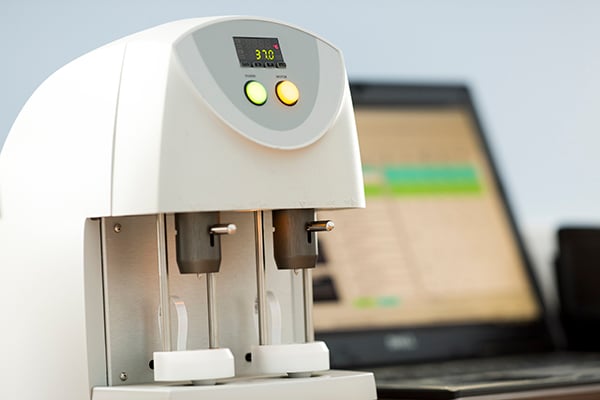
It's becoming more common to use thromboelastography and rotational thromboelastometry in the ED. What's your comfort level with TEG and ROTEM?
45-3_Tamiflu.jpg
One of the worst flu seasons in recent years sent patients to the ED in droves. It also focused attention on oseltamivir's efficacy and safety in various populations. Is it safe for children? Adults?
45-3_Thoracentesis.jpg
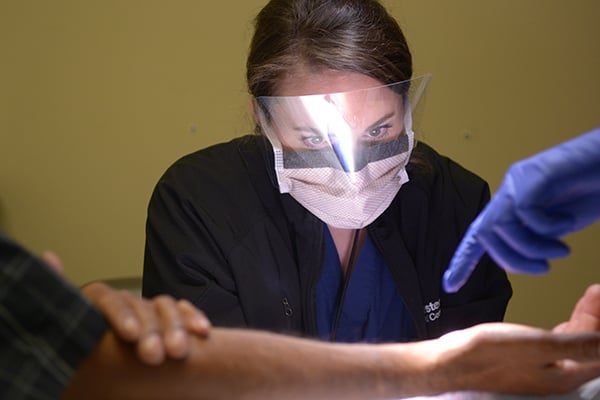
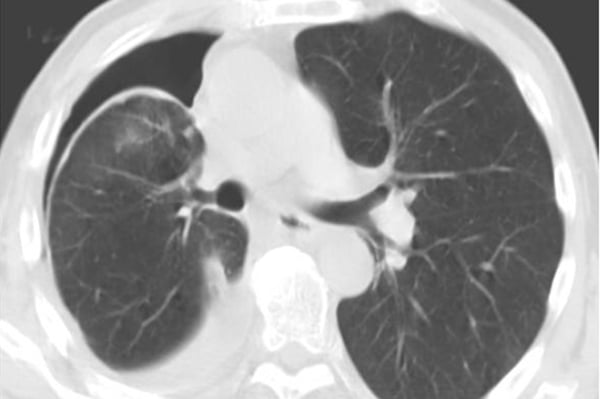
There are no hard and fast rules for therapeutic thoracentesis in the ED setting but there are some accepted best practices.